Goat Feed & Nutrition Guide — What We Feed at Rumi Goat Farm
Proper Feeding = Healthy Goats = More Profit
Ask any successful goat farmer what their secret is, and the answer is always the same: feeding. The difference between a profitable goat farm and a struggling one almost always comes down to nutrition.
At Rumi Goat Farm in Sakrand, Sindh, we have developed a feeding system over years of experience that keeps our goats healthy, growing fast, and producing quality milk. In this guide, we share our complete feeding approach.
The Three Types of Goat Feed
1. Green Fodder (60% of Diet)
Green fodder is the foundation of goat nutrition. It provides essential vitamins, minerals, and moisture.
- Berseem (Egyptian clover): The gold standard — high protein, palatable, available in winter
- Lucerne (Alfalfa): Excellent protein source, good for lactating does
- Corn stalks: Good energy source, available after harvest
- Sorghum (Jowar): Heat-resistant, excellent for summer feeding in Sindh
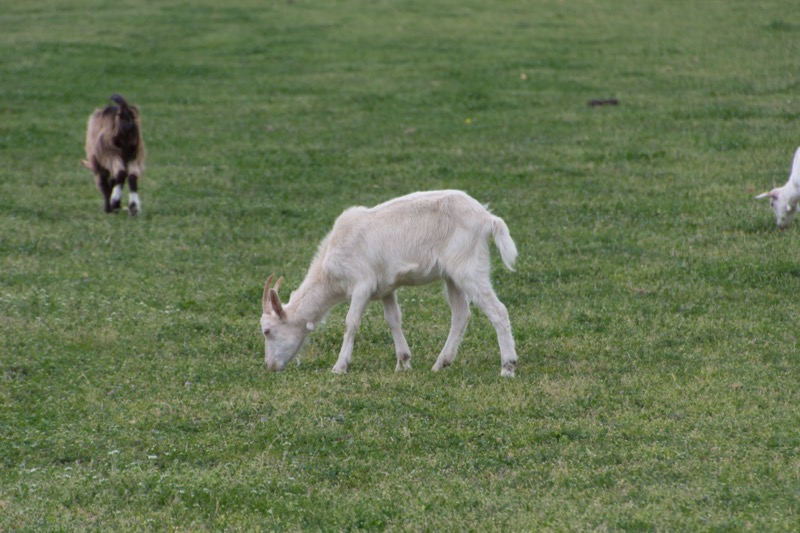
- Seasonal grasses: Free grazing where available
Important: Never feed wet or dew-covered green fodder — it causes bloating which can kill a goat within hours.
2. Dry Fodder (20% of Diet)
Dry fodder provides fiber, which is essential for proper digestion in goats:
- Wheat straw: Most common dry fodder in Pakistan
- Dry berseem (Sukkal berseem): Retains good nutrition when properly dried
- Rice straw: Available in Sindh rice-growing areas
3. Concentrate Feed (20% of Diet)
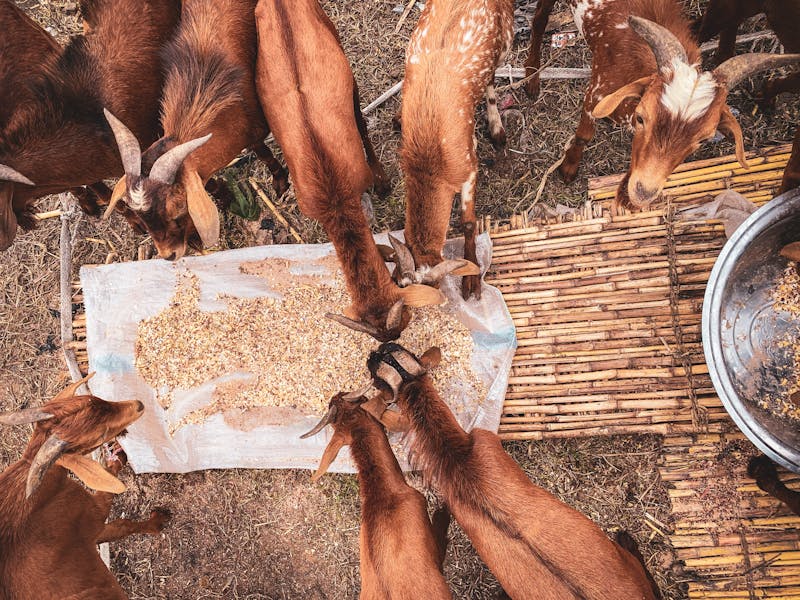
This is the power feed that drives growth and milk production:
- Wheat bran: Affordable, good energy and fiber
- Cotton seed cake: High protein — essential for growth and milk
- Corn grain (crushed): High energy for weight gain
- Mineral mixture: Calcium, phosphorus, salt — prevents deficiencies
- Molasses: Energy boost and makes feed palatable
Daily Feeding Schedule at Rumi Goat Farm
| Time | Feed Type | Details |
|---|---|---|
| 6:00 AM | Green fodder | Fresh berseem or seasonal greens |
| 9:00 AM | Concentrate | Wheat bran + cotton seed cake + minerals |
| 12:00 PM | Dry fodder | Wheat straw or dry berseem |
| 3:00 PM | Green fodder | Second serving of fresh greens |
| 6:00 PM | Concentrate | Evening ration with grain mix |
| All day | Clean water | Fresh water available at all times |
Special Feeding Needs
Pregnant Does
In the last 2 months of pregnancy, increase concentrate feed by 50%. The kids are growing rapidly and the doe needs extra energy. Add extra calcium to prevent milk fever after delivery.
Lactating Does
A doe producing milk needs 2x the normal concentrate ration. Good feeding during lactation means more milk for kids, faster kid growth, and a healthier doe that recovers quickly for the next breeding cycle.
Growing Kids
Kids can start nibbling solid food from 2 weeks of age. By 2 months, they should be eating a mix of soft greens and concentrate alongside their mother milk. Proper kid nutrition in the first 3 months determines their lifetime potential.
Breeding Bucks
Keep bucks on a high-energy diet, especially during breeding season. A well-fed buck has higher fertility and more stamina for breeding.
Common Feeding Mistakes to Avoid
- Sudden feed changes: Always transition gradually over 7-10 days — sudden changes cause bloating and diarrhea
- Overfeeding grain: Too much concentrate causes acidosis and enterotoxemia
- Ignoring water: Dehydrated goats eat less, grow slower, and produce less milk
- No mineral supplementation: Leads to weak bones, reproductive problems, and poor coat
- Feeding moldy fodder: Mold toxins can kill goats — always check feed quality
Learn More from Rumi Goat Farm
We regularly share feeding tips, feed preparation videos, and nutrition guides on our YouTube channel. Our videos in Sindhi language cover practical, hands-on feeding techniques you can apply immediately.
Need quality goats raised on proper nutrition? Browse our current livestock or WhatsApp us at +92 300 8370754.